RTS
Overview#
| Team | Duration | Stack |
|---|---|---|
| 1 | Mar 2024 ~ | C++17, OpenGL |
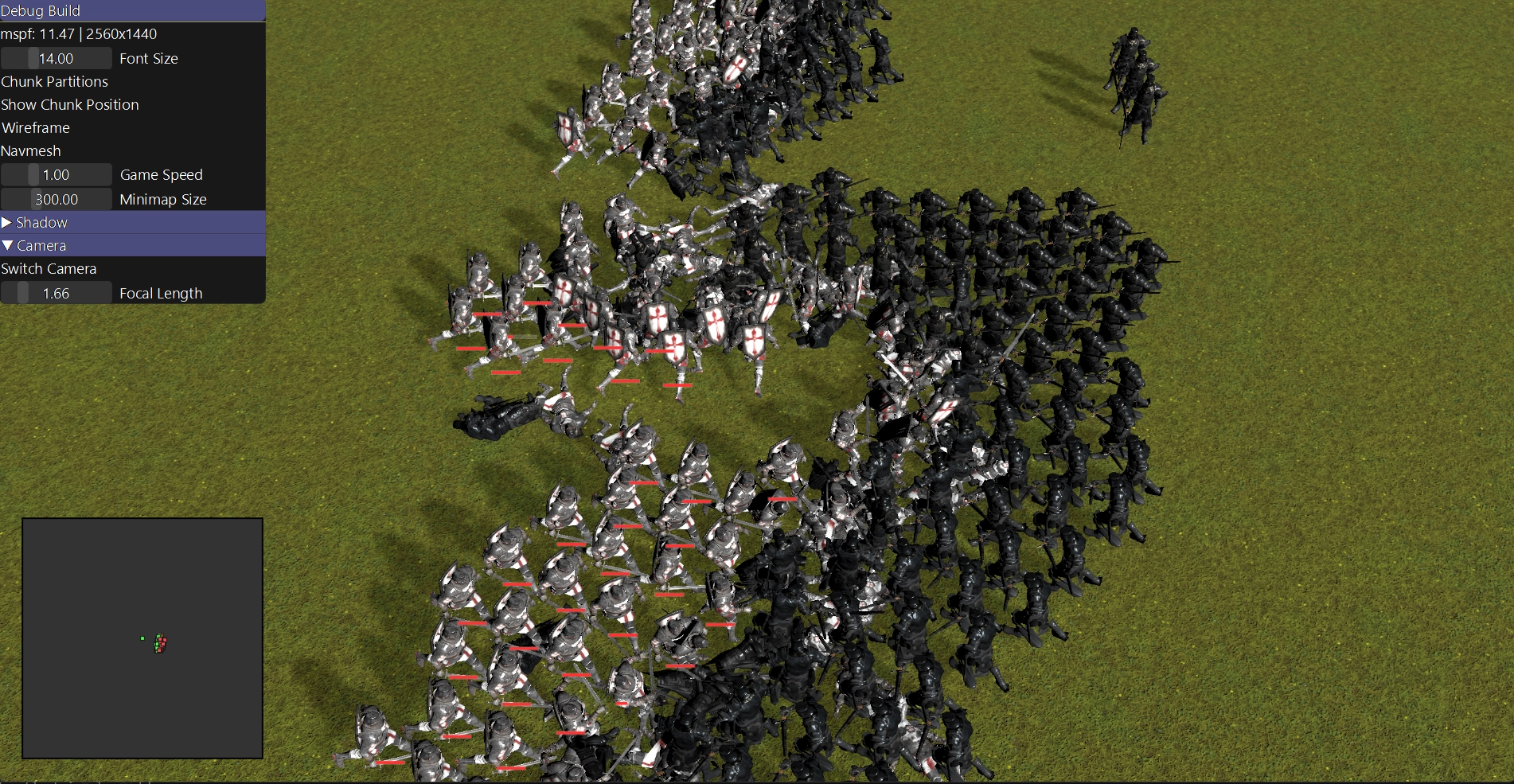
A game engine focused on the RTS genre.
Problem Solving#
Built a page-based Arena allocator with Windows
VirtualAlloc() — reserving memory a page at a time and handing back
addresses with nothing but stack-pointer movement.

Objects whose lifetime is exactly one frame are grouped together, and the allocator is reset wholesale at the start of every frame — constant-folding N calls → 1 allocation/deallocation call.

Implemented a Free List/Pool to reuse previously allocated blocks, cutting allocation/deallocation overhead.

Starting from 100v100 and scaling battle size further, frame drops appeared.
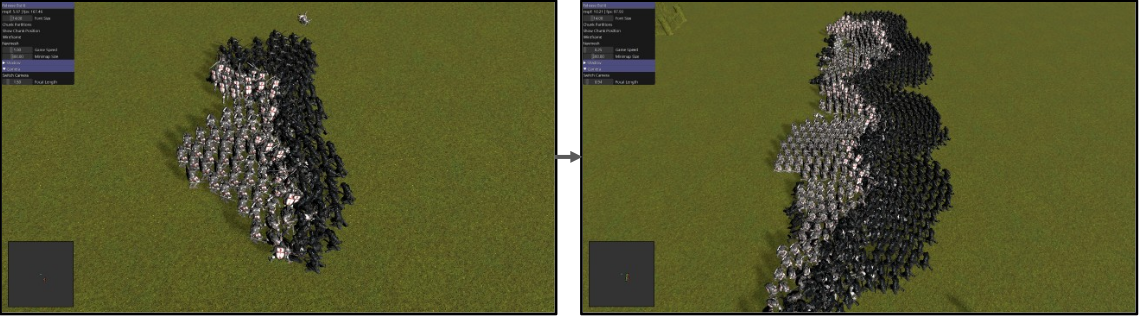
Root-caused it with CPU and GPU profilers, then used a graphics debugger to confirm the geometry shader stage of the Shadow Pass had poor parallelism. Switched to plain instanced rendering, improving it 15ms → 9ms.

Mapped the GPU memory used for matrix updates on the CPU side for the lifetime of the game, removing Map/Unmap and fence-sync cost every frame. Compressed 4x4 → 3x4 matrices for upload, improving bandwidth too.

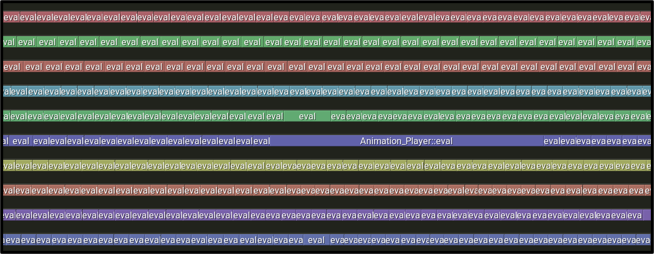
CPU animation updates have no cross-unit dependency, so they run through parallel for, minimizing synchronization cost too.
template <typename F>
void ParallelFor(Thread_Group& group, int64_t count, F&& func);
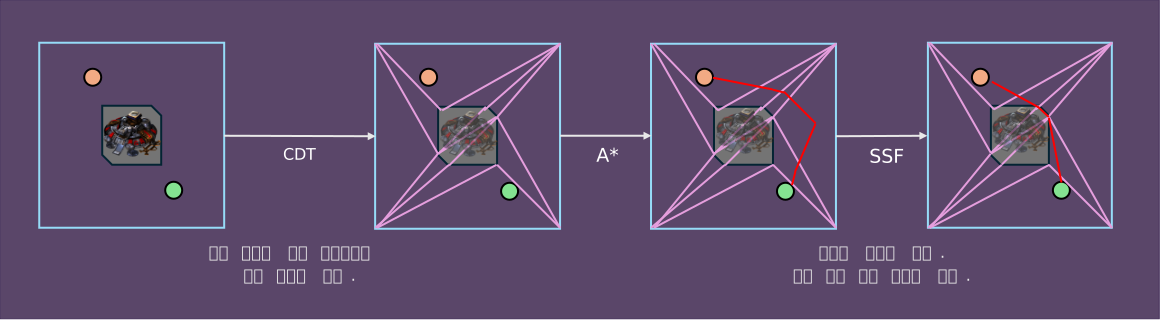
Implemented the algorithm as a pipeline:
- Constrained Delaunay Triangulation (CDT) generates the navmesh.
- A* computes the route.
- Simple Stupid Funnel simplifies it into a walkable path.
Open-sourced the code on GitHub; picked up 100+ stars.